Stock PCV System Has to Go

GAShan

Donating Member
Seeing the oily buildup in the throttle body and intake of the Ty, I went to the service manuals and checked the flow diagram of the PCV system. The PCV valve closest to the firewall is the primary vacuum for the crankcase and vents to the throttle body. The second valve closer to the front of the truck vents to the intake crossover tube and then to the turbo intake. The second valve is unique to the SyTy motors. The extra capacity of the system is necessary when there is boost present and the primary can't handle all the flow. There is really no primary/secondary except that is the way is explained int he lit. Any blowby therefore has to go into the tb/intake or the turbo inlet. So I want to junk the system and have the crankcase evacuate to atmosphere with the aid of a small pump. I think I remember Steve Gavic doing his with a scavenge pump from a Corvette ZR-1. Steve if you're out there elaborate. Part numbers would be great. Or anyone else with an idea for a small, low draw electric vacuum pump that can keep up. TIA
 

canadian

sy in progress
smog pump

smog pump

i believe that you can use an electric smog pump off of a vette. i think i have one in storage that i actually need to dig out and put on the truck... hmmm, might be my next project.
 

myclone

Donating Member
Dont the Impy SS and late model F bods use a electric smog pump (vacuum pump)? Seems a bud of mine that owns both told me they did. If not then just ignore me... :drinking:
 

SyTyJedi

Jedi Council
The second valve in the system is the only one that can vent when in boost. The other valve is shut due to being after the turbo, and under boost. The second valve is before the turbo, and in vaccuum.

I have seen straight breathers cause increaesd crankcase pressure and result in some strange oil leaks (filter assy, turbo).

A smog pump or inline sealed catch can is a great solution.
 

TheObiJuan

Active member
i know that on dsm's having a catch can is very common.

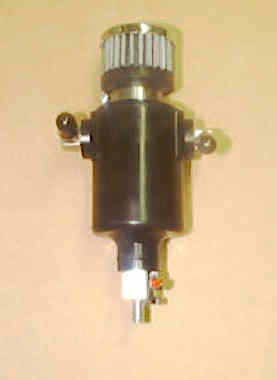
how does this look?

smallcatchcan01.jpg


and their info on it:
The vent hose that runs from the valve cover to the turbo inlet hose puts a lot of oily blow by into the intake tract and intercooler and piping. When oil builds up inside the intercooler, it drastically reduces the intercooler efficiency. To prevent this, many people install a filter onto the end of the hose instead and put a plug on the fitting where it went into the inlet hose. Cheap fix ($10 for the filter) but it makes a mess now in the engine compartment instead of inside the intercooler pipes. This new smaller catch can will hold the oil that blows out, it also allows you to gauge how much oil is coming out.

There is a drain valve at the bottom. There are two hose fittings, you have the option of disabling the PCV valve for more crank case pressure relief while making boost.

it is avail at: http://www.roadraceengineering.com/instructions/catchcaninstructions.htm
 

Hu Ryde

Donating Member
Found this tonight.

Peak power production demands that the PCV system be connected – pressure to the crankcase provided by the inrush of fresh air helps your engine perform in several ways. A properly functioning PCV system allows the piston rings to seal tighter against the cylinder walls and more importantly, helps prevent engine oil from making its way into the combustion chamber. Oil in the combustion chamber invites detonation, increasing an engine’s octane requirement and forcing you to run a less aggressive tune.

http://www.overboost.com/story.asp?id=422
 
Top